For Artists
What is Creative Fields?
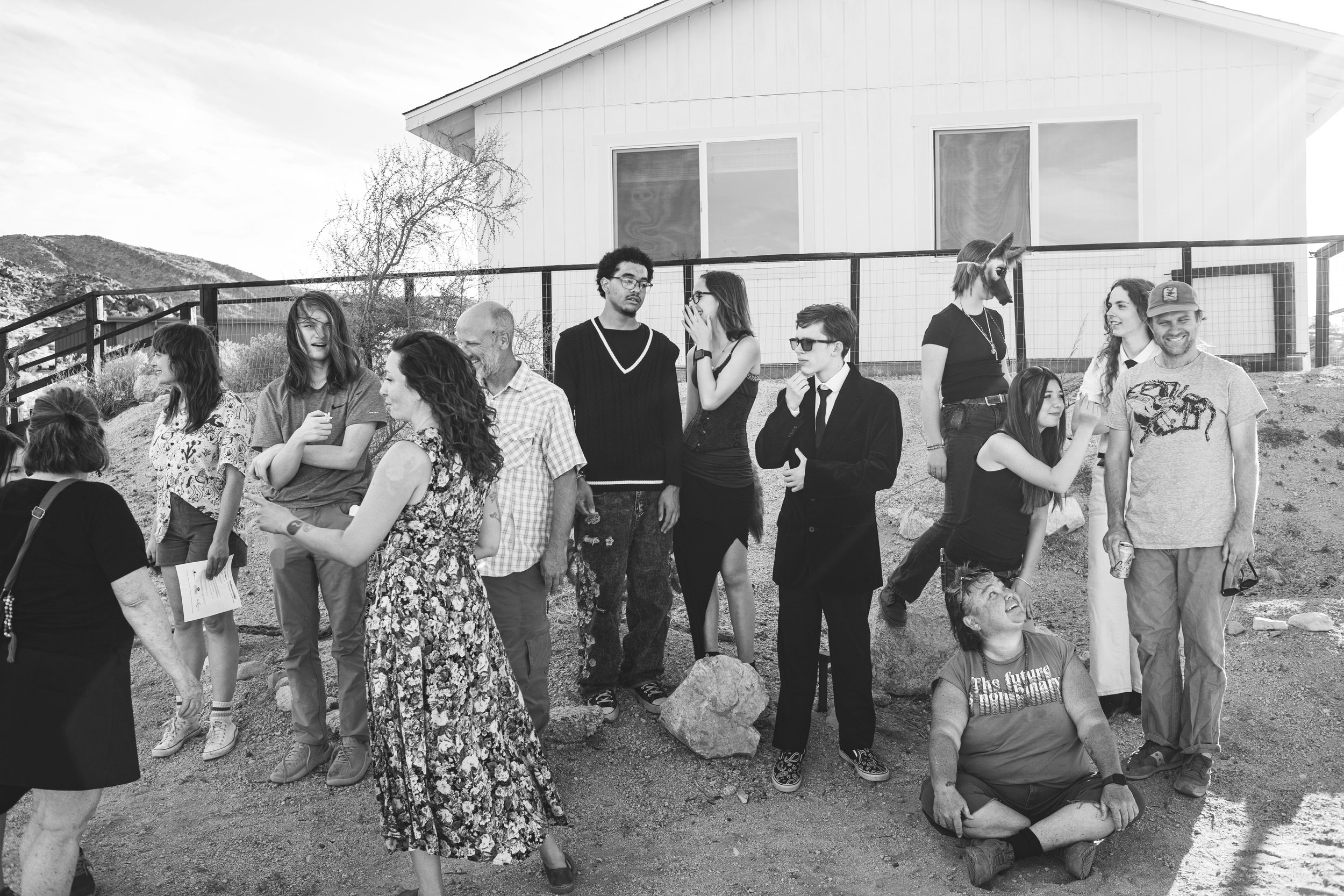
Creative Fields is a 100-hour arts mentorship program for youth aged 14-19 years and career development pathway for local Teaching Artists. Our work as educators is to cultivate spaces that center around questions, and to help raise youth who are accustomed to being valued, listened to, and supported.
Teaching artists receive over 40 hours of mentorship and training in youth-centered approaches to education and a highly-supported classroom teaching experience. Teaching artists are paid equitably, and leave the program with the skills to expand into leading their own future workshops.
Program Benefits
-
Our $40/hr rate is aligned with fair compensation research by Working Artists and the Greater Economy standards (W.A.G.E)
-
This year-long position includes professional development in useful education skills that open up opportunities for future independent teaching. Training includes:
✺ Planning youth-led learning opportunities
✺ Supporting youth’s emotional growth + psychosocial skill-building,
✺ Get comfortable with classroom + time management with mentor teacher support
-
Contrary to the industry standard of unpaid prep time, all workshop planning and prep time are paid, over 25+ hours over the year.
-
Research published in Child and Adolescent Mental Health found that sustained arts mentorship is a significant predictor of youth’s success and wellness¹. Artmaking is the structure for generative growth and development of essential psychosocial skills.
1: Source
-
Creative Fields is a collaborate program in all facets, and your ideas, enthusiasm and expertise are what shape our learning community. Throughout our year, you can build connections with peers and other creative professionals that last beyond your participation in the program.
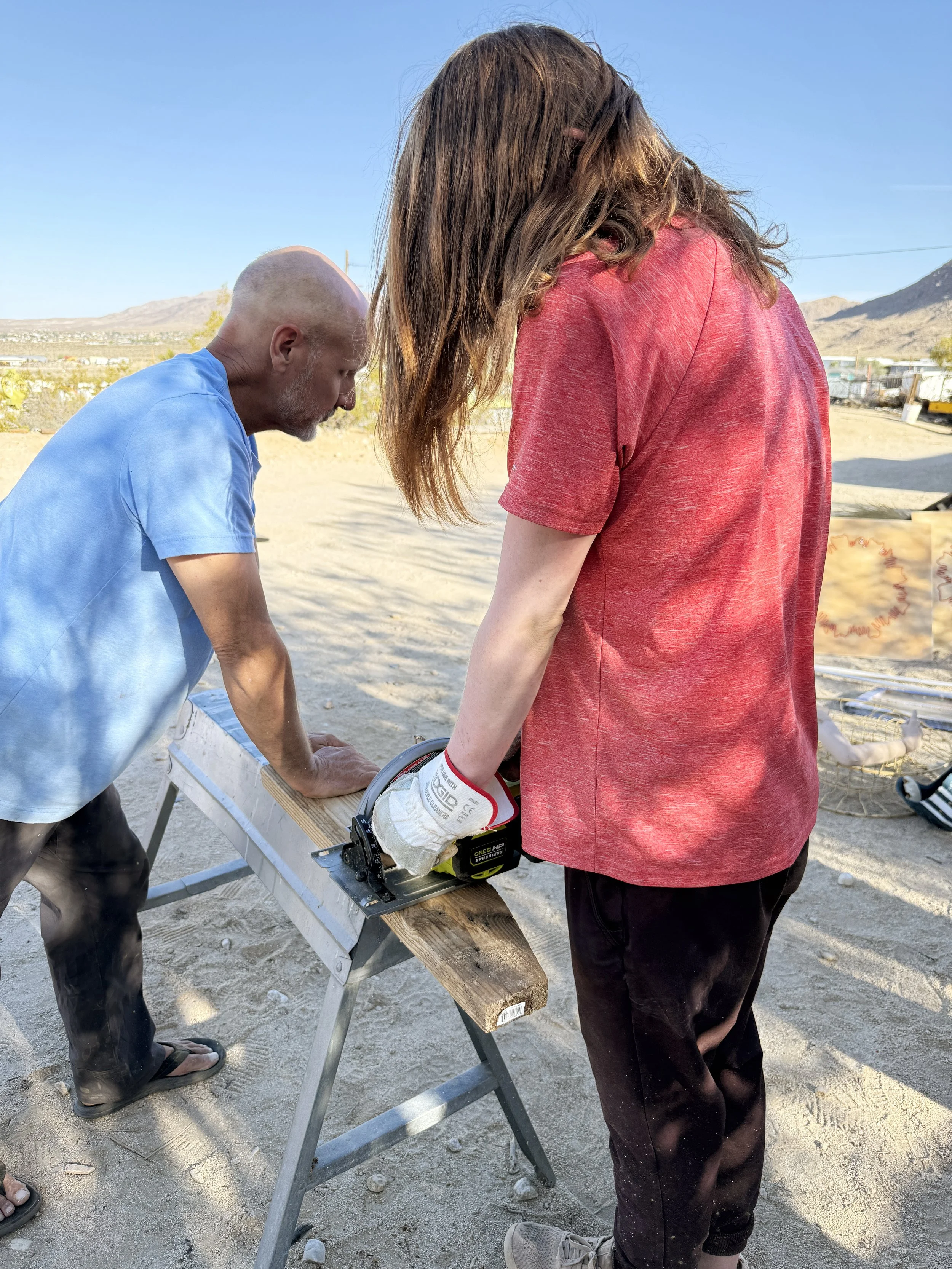
Teaching Artist Kevin Maddrey works with youth constructing a found-object sculpture
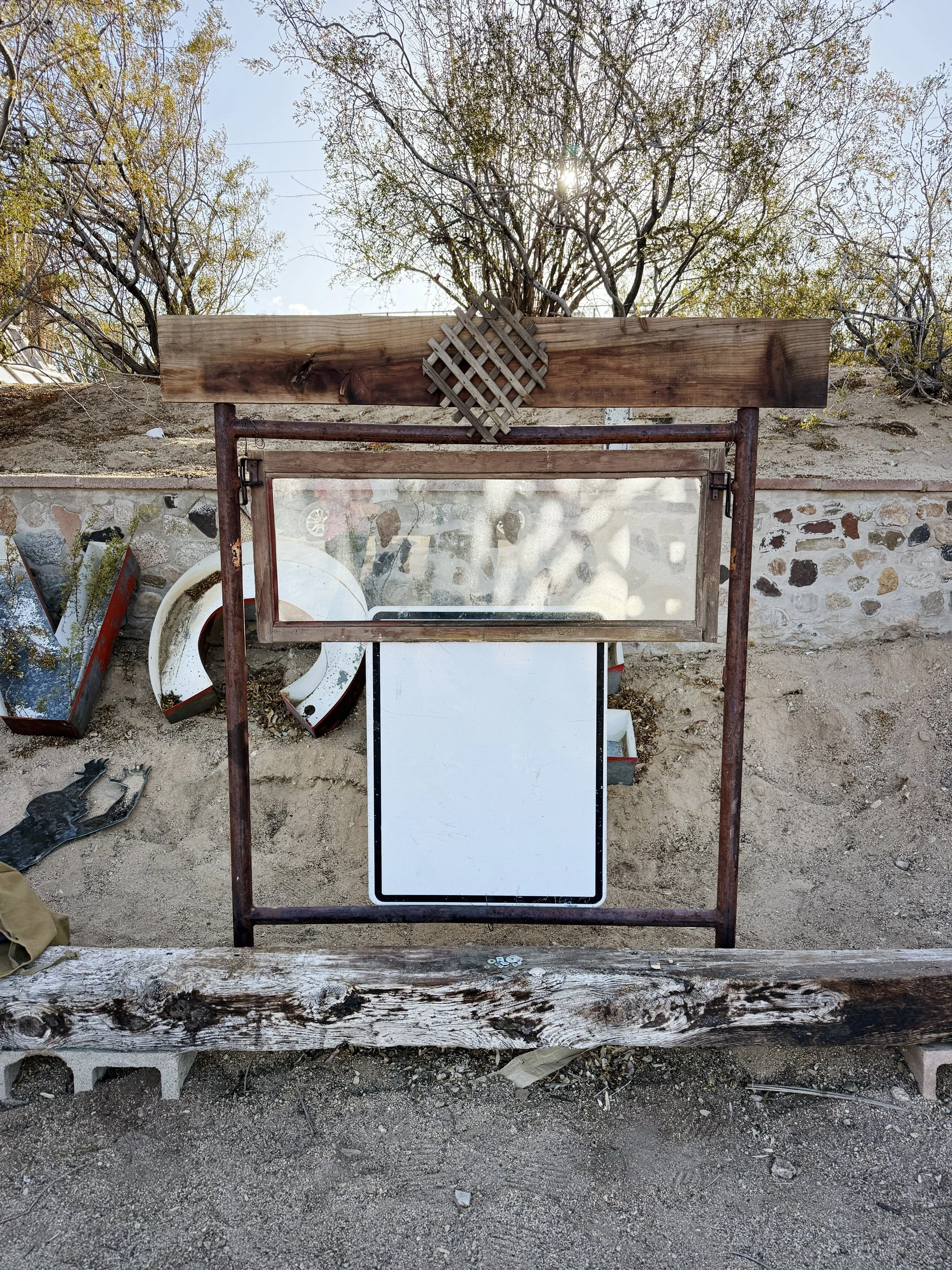
Finished found-object sculpture project, installed
Applications for 2026-27 are open!
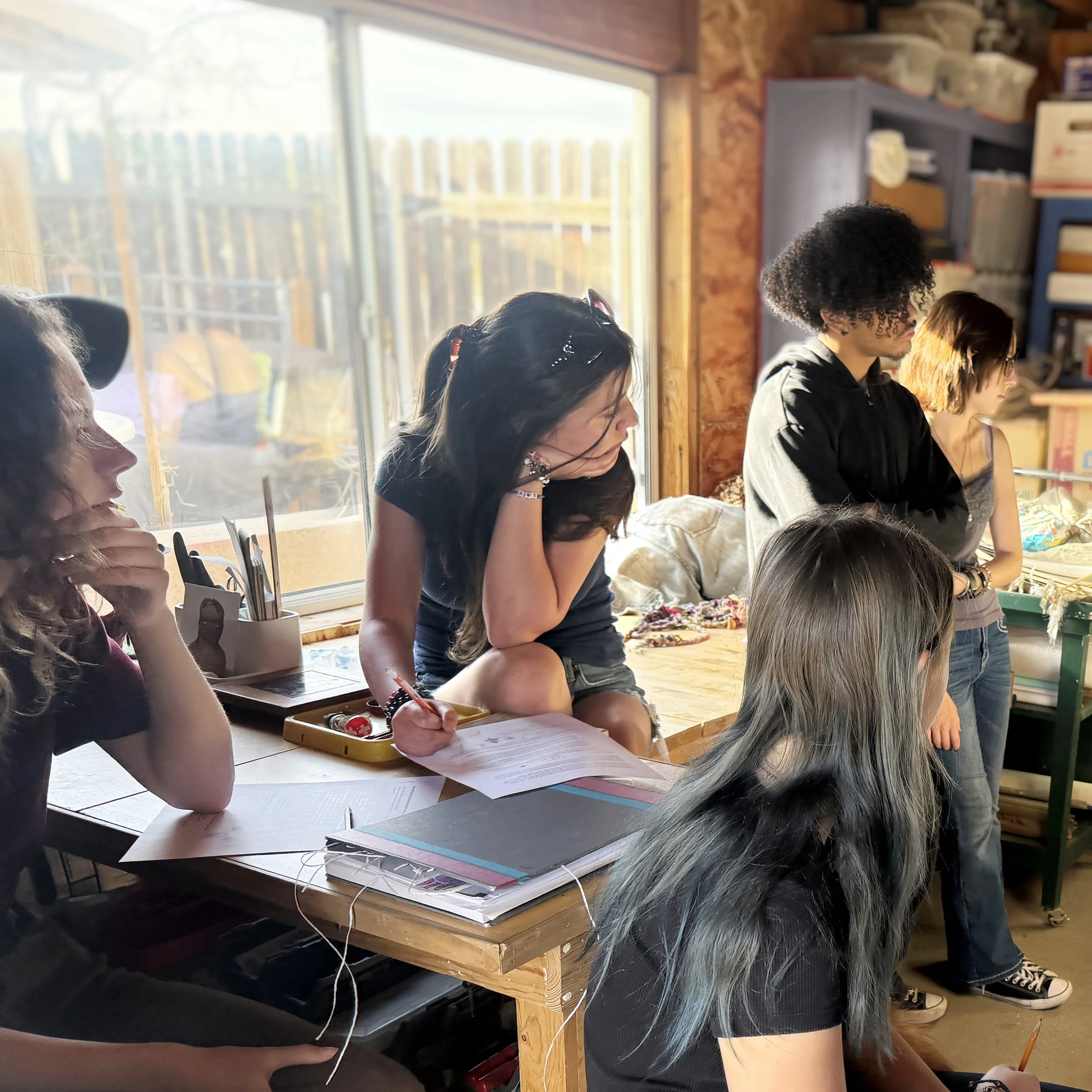
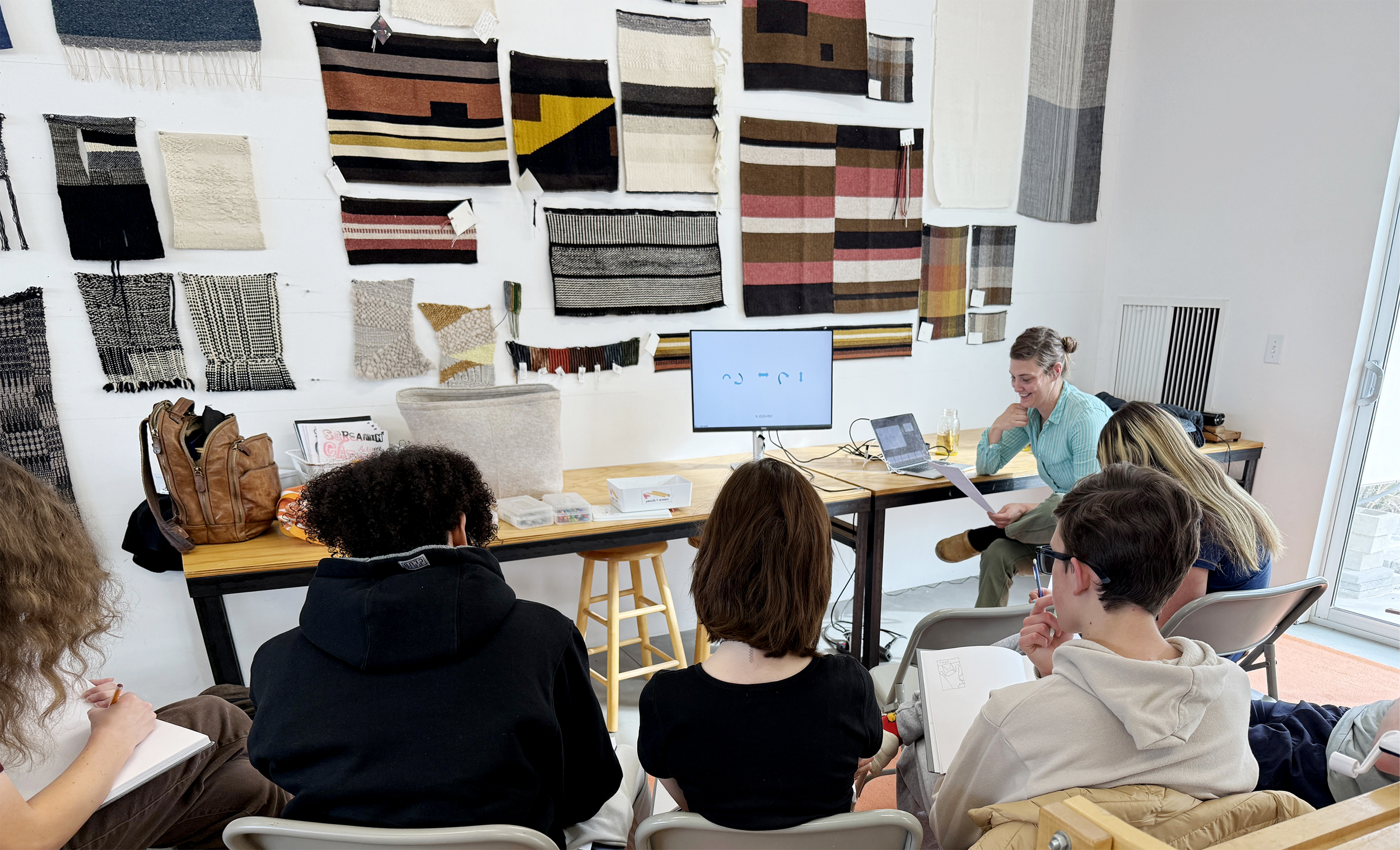
Youth participants in Teaching Artist Claudia Bucher’s studio
Teacher Training
September 9, 16, 23 + October 7
Professional development and workshop planning with mentor teacher Kimberly Zzyzx and the cohort of teaching artists.
Phase One: Workshops
October 28 to April 28
In October we begin weekly workshops at Teaching Artists’ studios. Each Teaching Artist hosts a workshop series of four (4) consecutive Wednesdays in their space, with the support of mentor teacher Kimberly Zzyzx.*
During this phase, we are focusing on how each artist makes their living and what jobs and activities are a part of their work as a creative professional. Youth also spend time experimenting with each Teaching Artists medium, practice or process. For example, in past workshops, youth have created sculptures out of found objects, learned how to silkscreen, and created to-scale models of theater sets.
Youth participants receive a modest stipend for the workshop portion of Creative Fields, and Teaching artists can devise experiences when youth assist with their current work, similar to an informal internship or training within professional creative environment.
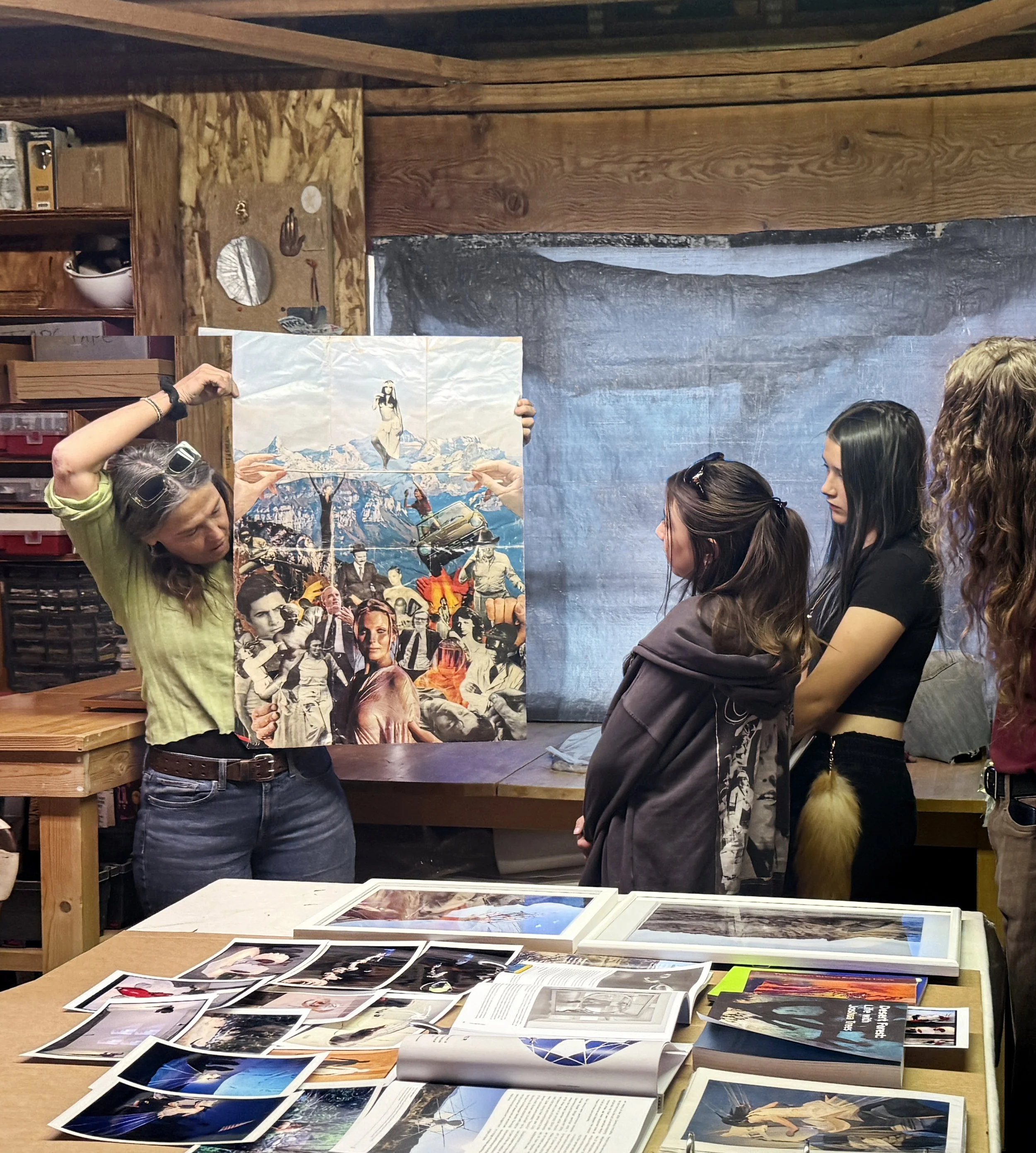
*PLEASE NOTE: We have alternate workshop space available for artists without a designated art space/work out of their home. It is essential to teach youth that artmaking is not limited to only those with enough resources for a dedicated studio space.
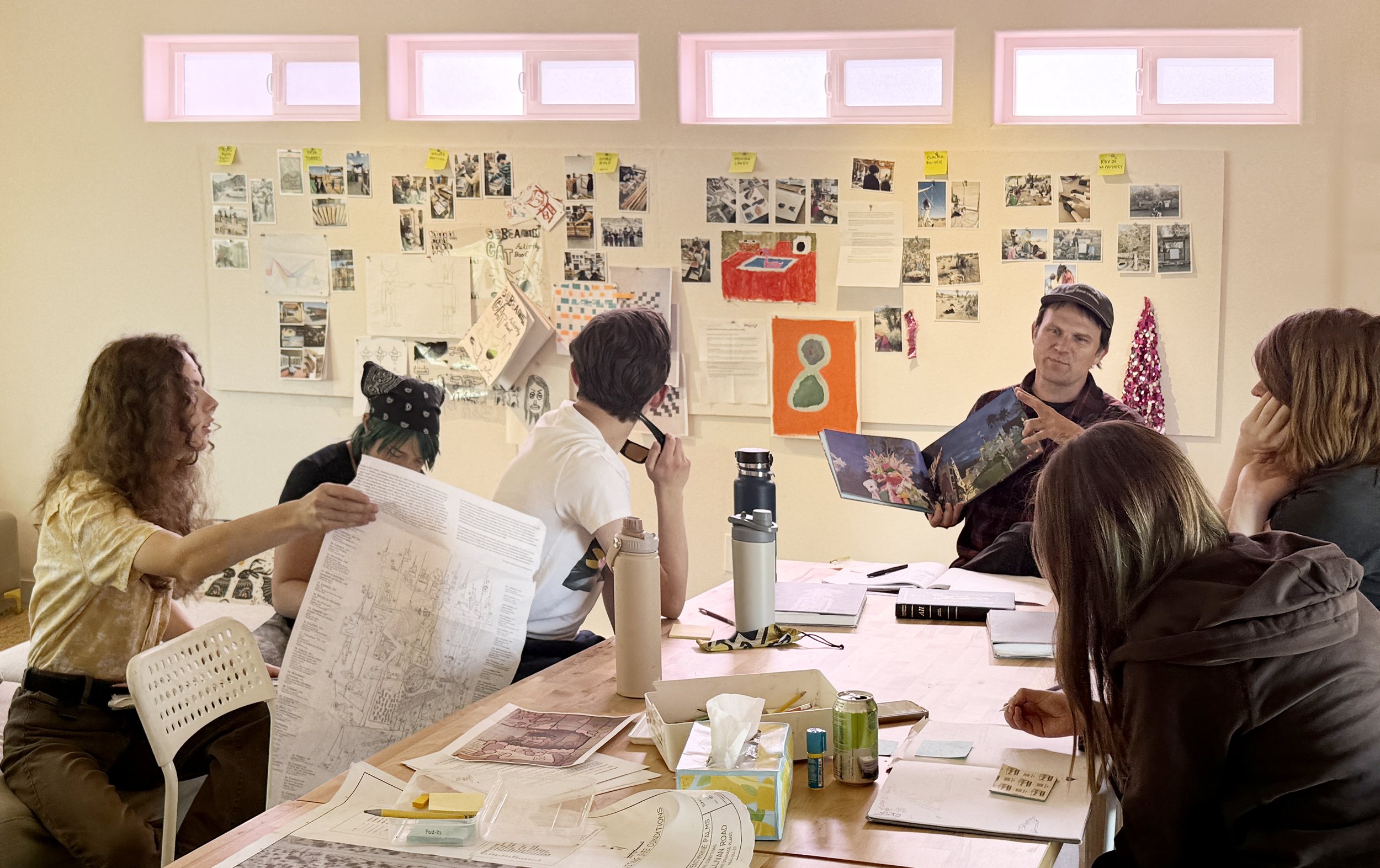
Teaching Artist Walker Mettling brainstorming with youth participants
Phase Two | Studio Collaboration
May 5 to Jun 11
Following the workshop series, youth participants create their own group or individual projects to be shown at a culminating exhibition. We strongly encourage youth to expand their comfort level with the size, scale and methods they use in their project to make the most of the mentorship experience. These collaborative studio sessions are held in our classroom in Twentynine Palms with the support of Teaching Artists.
And then we celebrate at the exhibition in June!
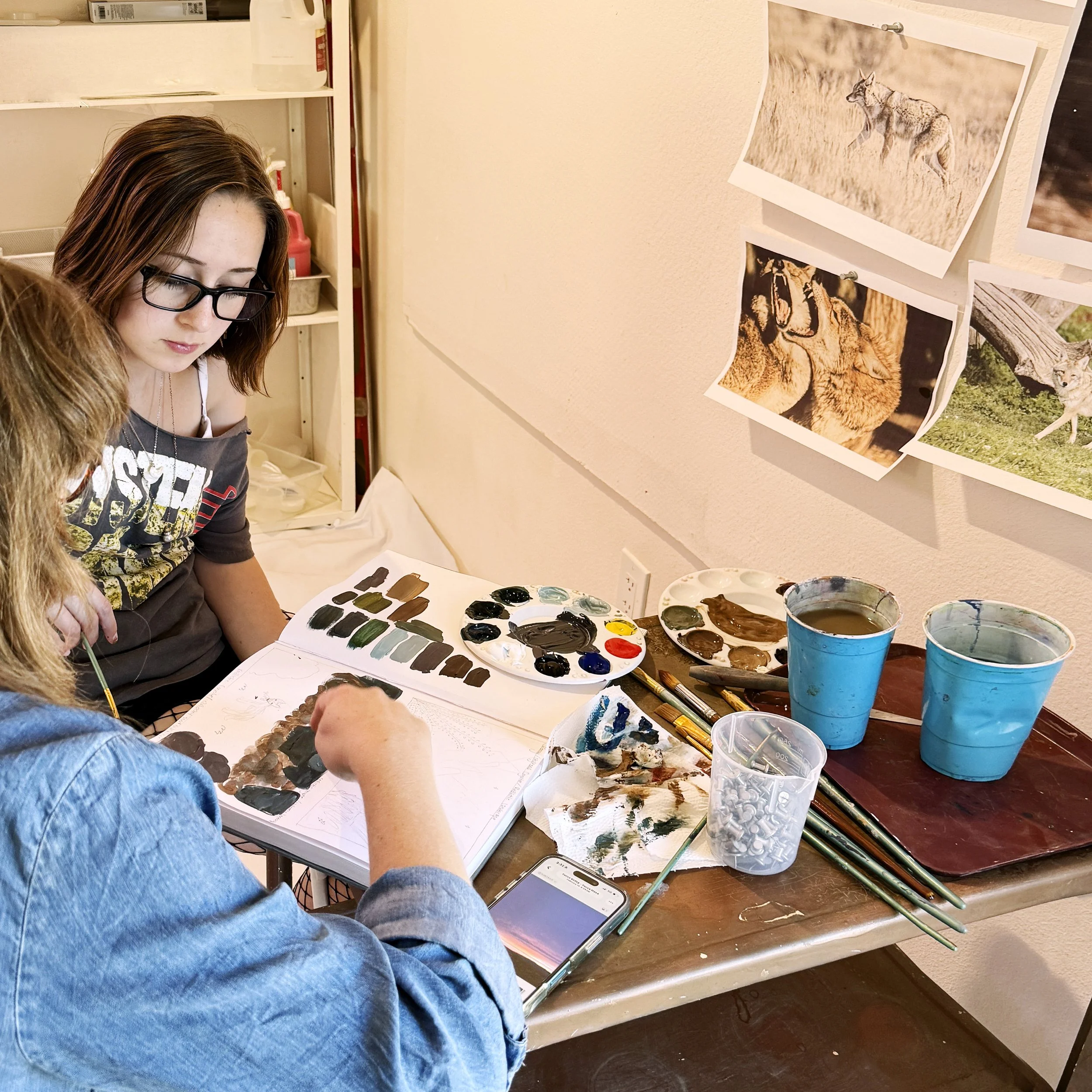
Youth Z. Lawrence working with Teaching Artist Melissa Lakey
Research from the Wallace Foundation found that youth arts programs help develop vocational skills, advance problem solving, self-care, critical thinking, communication and cognition.
Source